

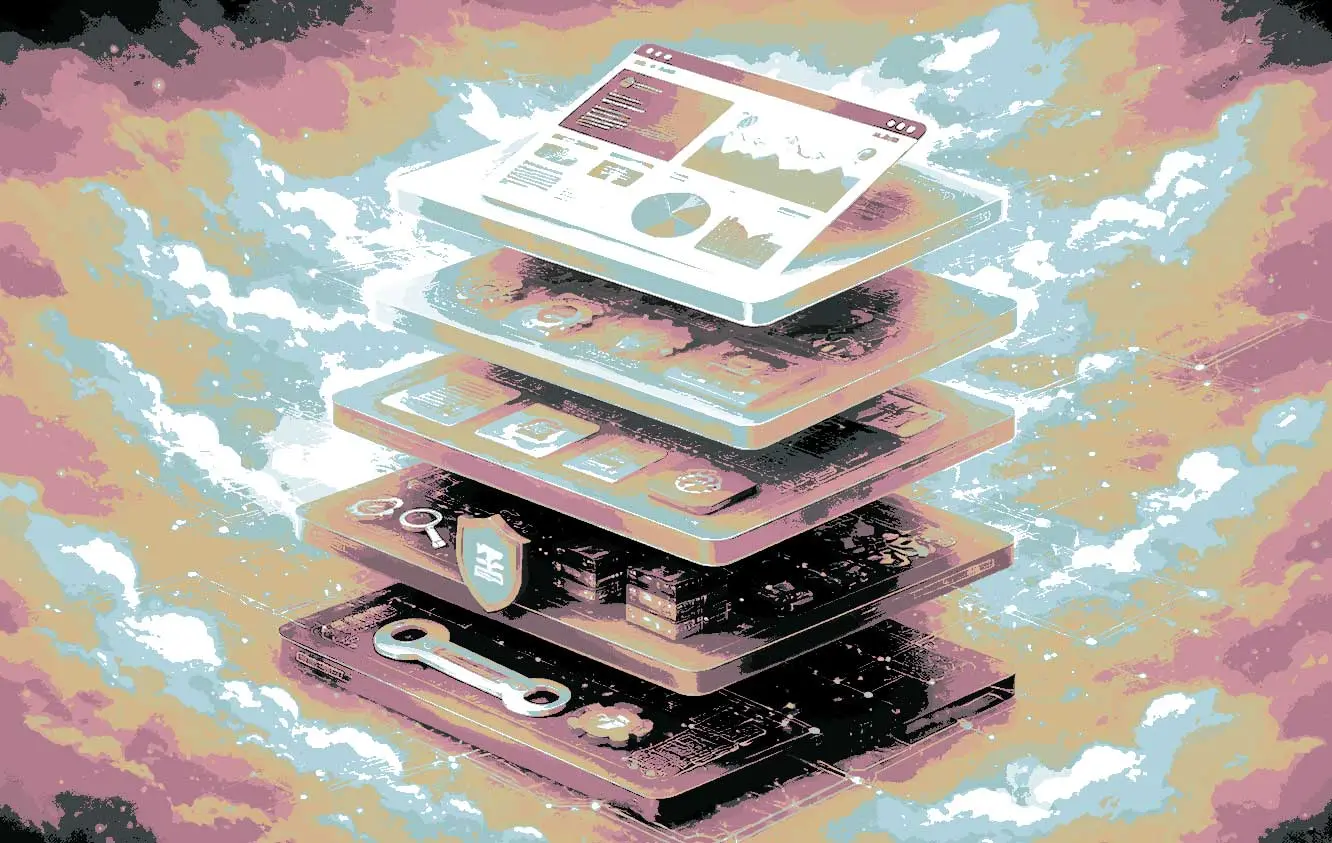
Website Cost Breakdown Design Development Infrastructure
For many businesses, website pricing can feel confusing because it is often discussed as though it were a single number. In reality, a professional website is made up of many separate components, including planning, design, project management, development, infrastructure, content preparation, SEO, launch preparation, and ongoing support.
At blackDot.ca, one of the most common misconceptions we encounter is not the total cost itself, but what that cost actually includes. Many businesses assume that once a website is live, or once hosting is paid for, everything else is covered. In practice, each layer of a website project serves a different purpose and involves different types of work. This guide breaks down the full stack so you can better understand what you are actually paying for.
1. Strategy, Discovery & Planning
Every successful website begins with planning. This includes stakeholder meetings, requirements gathering, sitemap development, feature planning, and aligning the website with business goals. Without this stage, projects often drift, expand, or require costly revisions later.
This is also where long-term decisions are made about scalability, integrations, and performance — all of which directly impact your web development in Toronto investment.
2. Creative Direction & UI/UX Design
Design is not just visual styling. It includes layout planning, mobile responsiveness, user journeys, conversion strategy, and multiple rounds of revisions. Strong design improves usability and reduces friction for users, while also giving developers a clear blueprint to build from.
A custom design process ensures your website reflects your business rather than forcing your content into a generic template.
3. Content Collection (One of the Biggest Bottlenecks)
Content is one of the most underestimated parts of any website project. In many cases, delays and frustration do not come from development, but from gathering and organizing content.
Common issues include:
– Content not being provided at all (with the assumption it will be written as part of development)
– Content delivered in small pieces over time, slowing down progress
– Draft or incomplete versions being submitted, followed by major revisions later
– Large, unstructured image dumps (thousands of files) with no clear direction on what should actually be used
From a project perspective, content is not just “added at the end.” It directly impacts design, layout, and development decisions. When content is incomplete or constantly changing, it introduces inefficiencies, rework, and delays across the entire build process.
4. Project Management & Coordination
Project management ensures that timelines are met, communication is clear, and all moving parts stay aligned. This includes scheduling, milestone tracking, approvals, QA coordination, and managing dependencies between design, development, and content.
While not always visible, strong project management is one of the main differences between a smooth project and a chaotic one. It is also a core part of a structured web development process.
5. Front-End Development
Front-end development turns approved designs into a responsive, functioning interface. This includes layouts, mobile responsiveness, animations, accessibility considerations, and browser compatibility.
Even simple pages require careful implementation to ensure they behave correctly across devices and screen sizes.
6. Back-End Development & Functionality
Back-end development powers everything behind the scenes, including CMS configuration, custom functionality, database structure, integrations, and administrative workflows.
This is where projects can vary significantly in complexity. A basic informational website is very different from a platform with integrations, dynamic content, or custom features. Many businesses benefit from structured API integration services to connect systems and automate processes.
7. CMS Implementation & Editing Control
A properly configured content management system ensures your team can update the website without relying on developers for every small change. This often involves customizing the admin interface, structuring content fields, and simplifying workflows.
Investing in WordPress CMS implementation and customization helps avoid long-term bottlenecks and gives your team full control over content updates.
8. Infrastructure Costs: Domain, Hosting, SSL & Deployment
Infrastructure includes the technical services required to keep your website online. This covers domain registration, DNS configuration, hosting environments, SSL certificates, backups, and deployment setup.
It is important to understand that infrastructure keeps your website accessible, but it does not include ongoing updates, design changes, or development work. Those are separate services.
9. SEO & Search Visibility
A website that cannot be found in search results will never reach its full potential. Search engine optimization (SEO) is a separate discipline that involves keyword targeting, technical optimization, content strategy, internal linking, and ongoing refinement.
While some basic SEO elements may be included during development, real performance requires a structured web marketing strategy. Without this layer, even a well-built website may struggle to generate traffic or leads.
10. Testing, QA & Launch
Before launch, websites go through testing across browsers, devices, and screen sizes. This includes verifying functionality, performance, and usability. Launch preparation also involves DNS coordination, deployment checks, and monitoring.
11. Ongoing Maintenance, Updates & Support
Once a website is live, ongoing work continues. This includes updates, bug fixes, content changes, performance improvements, and security monitoring.
This is where many misconceptions occur. Hosting keeps your website online, but it does not include ongoing changes or support. Businesses that require ongoing assistance typically rely on structured website maintenance and support services.
One-Time vs Ongoing Costs
One-time costs typically include:
Strategy and planning
Design and revisions
Development and build
CMS setup
Testing and launch
Ongoing costs typically include:
Hosting and infrastructure
Domain renewal
Maintenance and updates
SEO and marketing
Feature enhancements
Final Thoughts
A website is not a one-time product. It is an ongoing system made up of multiple layers working together. Understanding how these layers fit together helps businesses set realistic expectations, avoid confusion, and make better decisions when investing in a professional website.
